 Italiano
 English
The future arrives in contracts
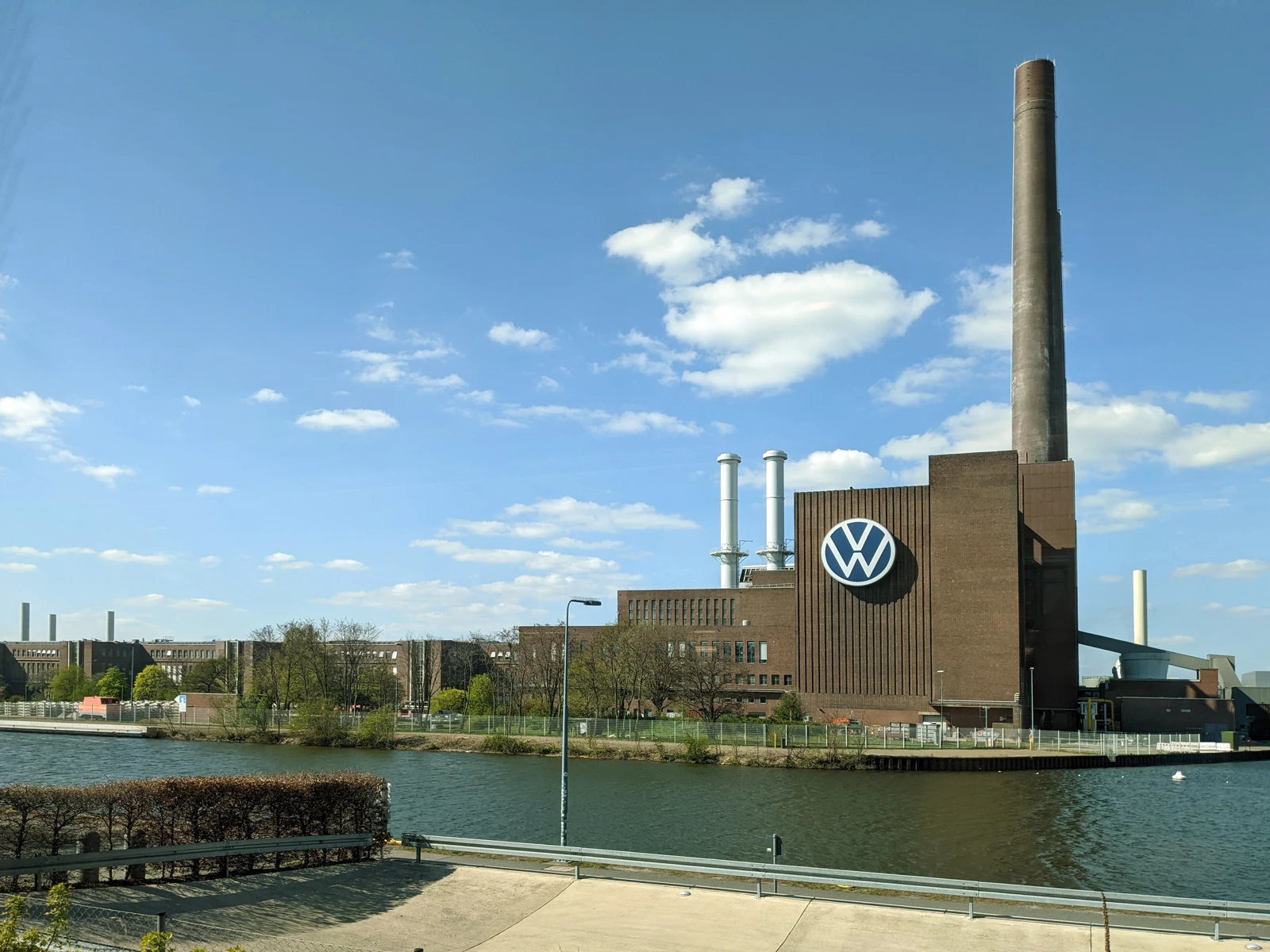
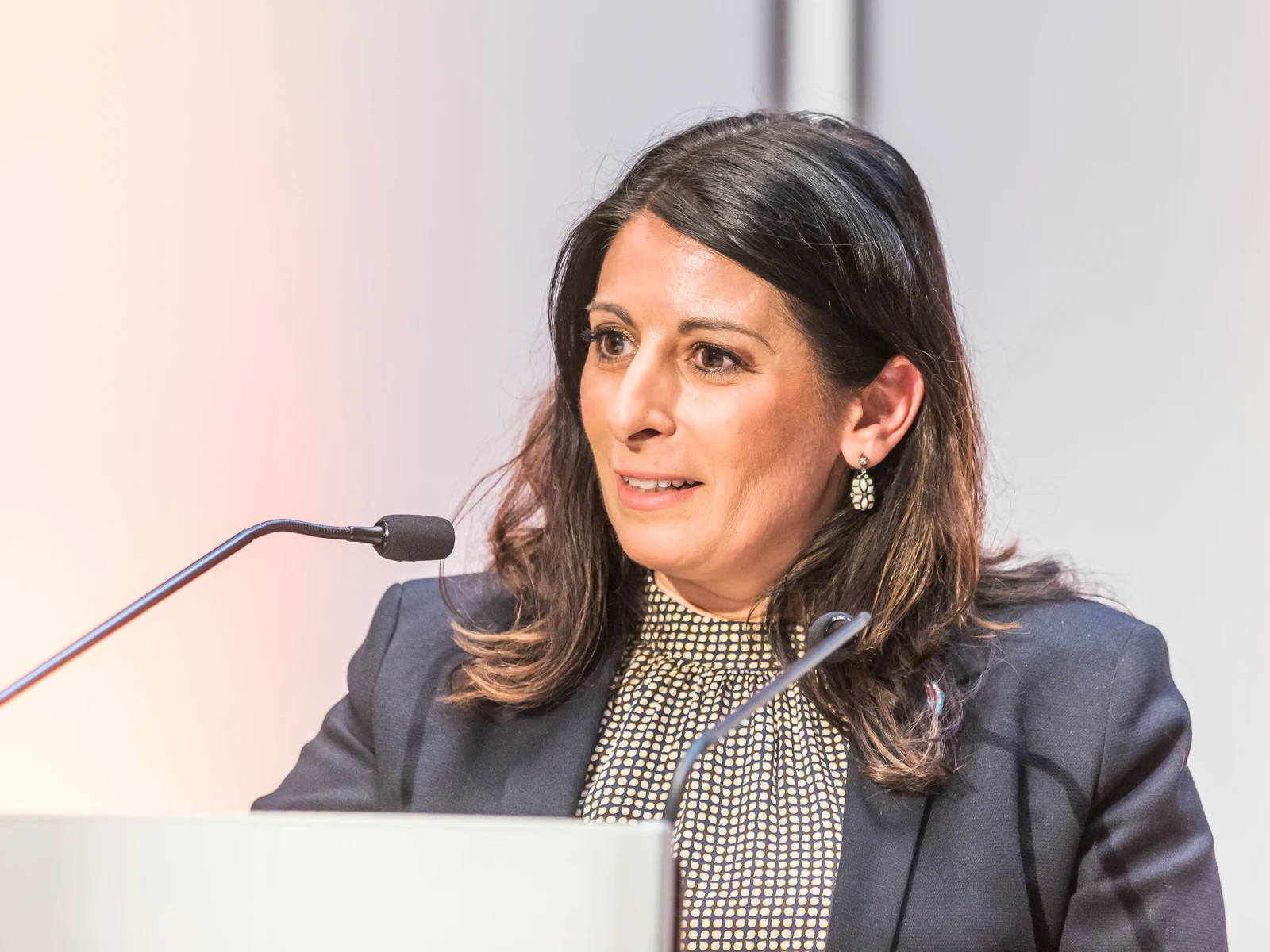
On 30 September in Hanover, the discussion about Volkswagen’s future shifted from car models to the contracts of the people who build them. The company served notice terminating several collective agreements. Daniela Cavallo, chair of the General Works Council, replied that the concessions accepted in 2024 had already reached the sustainable limit. This is no abstract dispute about competitiveness: those agreements cover holidays, allowances and prospects of employment after an apprenticeship.
To understand the news, three things must be kept separate: terminating an agreement, changing working conditions and dismissing a person. They do not automatically happen together. Volkswagen wants room to negotiate further cost reductions; IG Metall wants to stop the industrial restructuring falling on employees again. The outcome will depend on what is agreed, rather than on the announcement alone.
A pact made of several agreements
Volkswagen AG has its own company-level collective bargaining system, unlike the industry agreement used by other German carmakers. It is not a single document that can be switched on or off. According to ARD Tagesschau’s account, it comprises thirteen separate agreements; IG Metall reports ten terminations. The company spokesperson contacted by the broadcaster did not confirm the precise number.
The agreements affected include the Manteltarifvertrag: the framework agreement bringing together general employment rules. The union points to thirty days of annual leave and protections for people who, after many years, can no longer perform their duties for health reasons. Agreements covering additional pay components and parts of the training rules are also affected. The scope concerns Volkswagen AG: it does not justify applying every measure indiscriminately to all the group’s brands.
There is also a separate agreement for the future, negotiated in 2024 and effective from 1 January 2025. It includes job security through the end of 2030. Company and union agree on the decisive point: that guarantee has not been terminated. A protected job, however, can coexist with difficult negotiations over its pay and organisation.
Why 1 January does not reset everything
The company’s statements set the effective date of the terminations at 31 December 2026. Until then, the agreements remain in force. Even their expiry does not mean that all the rules disappear the following day. German law provides for Nachwirkung: the continued effect of the normative provisions of an expired collective agreement until they are replaced by another agreement.
The principle is set out in section 4, paragraph 5, of the Tarifvertragsgesetz. It prevents a gap between contracts. To illustrate the mechanism, imagine a rule on working conditions in the expired agreement: expiry alone is not enough to erase it. This is an explanatory example, rather than a prediction of the outcome of an individual dispute. Its practical application depends on the employment relationship and the relevant rules.
Termination does change the negotiating terrain. The parties can negotiate new arrangements, and industrial conflict becomes possible again once the peace obligation ends. IG Metall identifies 1 January 2027 as the date from which it can strike to reinstate the agreements. A possible strike is not an announced strike: in early October, the sources consulted contain no definitive schedule of stoppages.
Reviewing the future is a separate discussion
A review of the agreement for the future also began on 30 September. That document includes a reopener clause if the economic conditions on which it was based change significantly. Both sides invoked it, but with different questions. Volkswagen aims to implement the measures already planned and use every option for workforce reduction it considers socially responsible.
Arne Meiswinkel, head of human resources at the Volkswagen brand, attributes the urgency to structural market changes: trade barriers, price pressure and competition, particularly from Chinese exports. That is management’s diagnosis. The union disputes whether it is enough to justify further concessions and wants clarification above all on the investment and products promised to the sites.
There is a practical distinction here. A review examines how to honour industrial commitments already signed; bargaining on the terminated agreements concerns conditions to be renegotiated. Confusing them would make a promise that remains in force appear cancelled already, or savings still under discussion seem secured. The parties have scheduled further talks for the second half of October.
The entry point for young people
Training makes the change particularly visible. IG Metall says termination of parts of the apprenticeship agreement calls into question employment for young people completing training and dual-study programmes. It does not say that everyone will lose their job: it says a regulated prospect becomes a matter for negotiation. For someone choosing a technical pathway, the difference between learning a trade and subsequently finding stable work is substantial.
For those who have worked for decades, too, the stakes extend beyond basic pay. Allowances, time off and health-related protections shape the value of work over a lifetime. The union is demanding a five per cent increase over twelve months; Volkswagen rejects it as incompatible with the need to cut costs. These are negotiating positions, rather than new figures already appearing on payslips.
The conflict therefore offers another angle on the transformation of the car industry. Its cost is not just buying machinery or developing new vehicles. It means deciding which skills to retain, how to support departures and what continuity to offer new entrants. Immediate savings and future production capacity may require different choices: that is the tension the parties must resolve.
For anyone watching a reorganisation at their own company, the case suggests a practical question: which document protects the job, which governs income and which regulates training? Reading them separately helps clarify what is actually being called into question.
The next negotiations will require verifiable answers on two fronts: what conditions are being proposed to workers and what investment will support the plants. For now, the certain fact is narrower but significant: Volkswagen has reopened part of the rules through which it distributes the risk of change. The factory of the future also begins with the pact that allows people to stay there.