 Italiano
 English
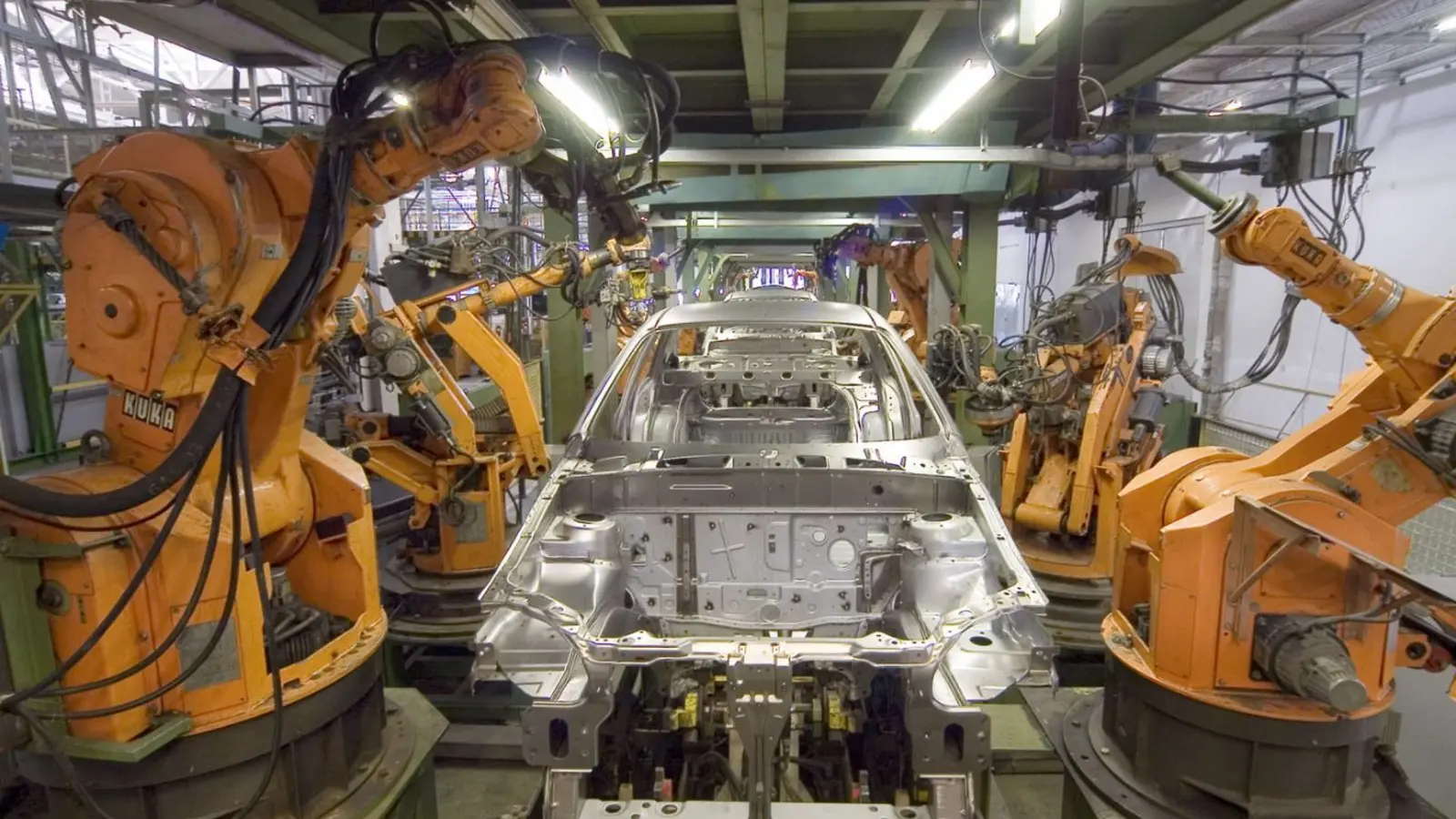
Imagine two factory buildings. In the first, a production line is being redesigned and a robotic arm ends up in storage. In the second, a business owner wants to automate a repetitive operation, but the quote for the complete installation exceeds the budget. The distance between those two buildings contains a business idea: someone could buy the machine, inspect it, adapt it to a task and put it back to work. The product would be an industrial solution with a documented past and a new purpose.
È una scena ipotetica, ma il mercato del ricondizionamento esiste già. ABB offre un servizio di riacquisto dei propri robot e delle apparecchiature periferiche. Per valutarli chiede, fra le altre informazioni, matricola, ore di funzionamento e applicazioni precedenti. La storia della macchina entra quindi nella trattativa insieme alla macchina stessa. È un indizio concreto di dove si forma il valore. Fonte: servizio buy-back ABB.
Giving a machine a second life requires expertise, checks and integration. AI-generated illustration; it does not depict an ABB installation.
The customer buys a job that is done
Understanding the opportunity starts with the task. Consider a business that needs to load parts into a machine tool or arrange boxes on a pallet. Its requirements involve space, production rates, product variety, available staff and interruptions. A low-priced robot solves only part of the equation. The installation also needs grippers, programming, connections to other machines, suitable safeguards and people able to deal with unexpected situations.
The commercial offer could therefore be very specific: a refurbished robotic cell for a particular operation, with agreed performance and clearly defined support. Before buying, customers should be able to test their own parts and verify the result. Their willingness to pay would depend on reliable operation, quality and total cost. A hardware discount would be a starting point, not proof of value for money.
Where the margin could arise
The first potential revenue stream is selling an installation ready to operate. The supplier buys the machine, assesses its condition, replaces what is necessary and integrates it into the customer's application. The actual margin only becomes clear after accounting for transport, refurbishment, components, engineering hours, installation and subsequent support. An apparently attractive purchase can become expensive if it requires weeks of unforeseen work.
A second revenue stream could come from maintenance and adaptations. When a product or its packaging changes, even a functioning robotic cell may need a new gripper or a software adjustment. Familiarity with the installation helps the supplier provide continuity. However, the contract must clearly define what is included: response times, spare-parts availability, on-site work and exclusions should be understood before a fault occurs.
Rental would be another option, requiring careful operational assessment. It would allow customers to spread their costs, but leave the supplier with capital tied up in the equipment and part of the technical risk. A returned machine might need further refurbishment and a new application. Supporting this model would require financial resources and sufficiently predictable demand to limit idle periods.
The valuable part of the offer is the ability to promise a result and demonstrate it in the field.
Specialize before accumulating machines
One approach for a new operator to test would be specialising in a narrowly defined task, such as moving a family of components with similar characteristics. Repeating comparable applications would allow some engineering work to be reused, recurring faults to become familiar and labour requirements to be estimated more accurately. Each job would retain its particular features, but the work could gradually become more predictable.
That specialisation should be identified before filling a warehouse. Interviewing prospective customers, observing their processes and building a demonstration would help establish whether a repeatable need exists. Buying numerous robots because they are cheap and only then looking for applications would risk accumulating hardware with no concrete demand. The quality of sourcing should also be judged by how easily the complete solution can be resold.
Trust Needs Documents
Il ricondizionamento industriale richiede evidenze leggibili: provenienza, manutenzioni note, interventi eseguiti e risultati delle prove. Nel 2020 ABB descriveva un programma di rigenerazione che prevedeva ispezioni, un test di funzionamento di almeno sedici ore e una garanzia di due anni. Sono condizioni riferite a quel programma aziendale, non uno standard universale; mostrano però quanto l’offerta comprendesse già verifica e supporto oltre al recupero del bene. Fonte: comunicato ABB dell’8 luglio 2020.
For an independent operator, the challenge would be to build credible evidence without claiming equivalence it cannot demonstrate. A refurbished robot still belongs to a wider system: its gripper, sensors, software and workstation layout all contribute to the result. Technical and safety assessments must cover the complete application. A video showing the arm moving smoothly demonstrates much less than acceptance testing on the intended task.
When the idea stops being convenient
In some cases, recovering a machine would make little economic sense. Hard-to-find spare parts, unsupported software or extensive modifications could consume the initial saving. New equipment should also enter the comparison: final price, delivery time, energy use, support availability and the application's expected life. The useful comparison is between two solutions capable of doing the same job over the entire period of use.
The decisive question for someone starting this business is therefore practical: how many similar installations could they deliver and support with their available resources? A profitable first contract shows that one project worked. A series of contracts with predictable costs, satisfied customers and manageable support begins to demonstrate that a viable business exists.
The frontier of this business lies in making existing technology accessible. Matching a recoverable machine with a specific production need requires selection, expertise and responsibility. Those who organise these elements effectively could find a place in innovation without building the next robot: by helping an existing one begin its next job.
L’IDEA IN QUATTRO PUNTICliente: imprese con lavorazioni ripetitive adatte all’automazione. Offerta: una cella ricondizionata, integrata e collaudata sul compito richiesto. Ricavi possibili: vendita, manutenzione e adattamenti; noleggio se sostenibile. Rischio centrale: sottovalutare integrazione, assistenza e capitale immobilizzato.