 Italiano
 English
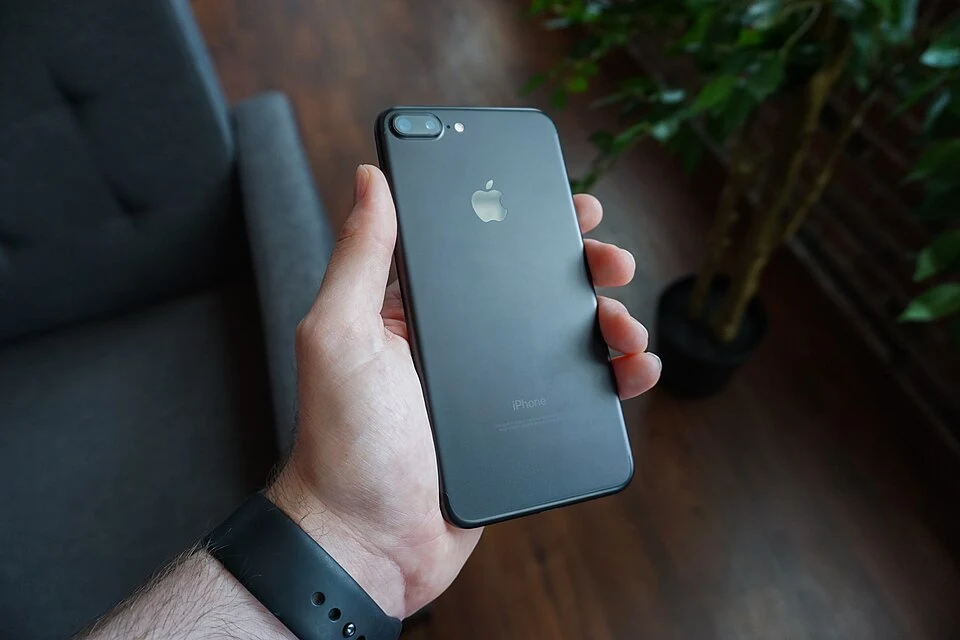
The first prescription goes through the app
A photograph of your face can become the first step toward a medical prescription. Since October 5, in Utah, Nolla Health has been testing an app that assesses acne and proposes topical treatment for adults with mild to moderate forms. Patients pay a subscription advertised from $4.99 a month and can avoid an office visit. The new element is the initial prescription, rather than renewing a drug a doctor has already selected. But the test starts with two doctors checking every prescription: autonomy comes only if the system passes the required checks.
This is where the story becomes interesting. AI is doing more than summarizing a report or preparing an answer for a patient. It enters the pathway that takes a medicine from assessment to pharmacy. For people using the service, the practical question is when a person intervenes: before the prescription is sent, afterward, or only when something needs attention.
Five photos, precise questions
The pathway described by Nolla requires identification, consent and a health questionnaire. Users then photograph their face from five angles. The system combines image assessment with the information collected and selects a treatment from those allowed. The company promises a plan in around ten to fifteen minutes; this is a stated time, not performance independently measured by Frontiera.
The product therefore has a narrow task. It is not a chat where users can ask for any diagnosis: the prescribing pathway uses structured data and predefined treatments. This choice makes it possible to compare recommendations with doctors’ decisions. It does not remove errors, but it makes clear which decisions the system should make and which it should not.
What happens afterward matters to patients too. The service provides ongoing checks, subsequent images and the ability to contact a doctor at no additional cost. Nolla presents that access as part of care. Initial convenience is worth little if finding a person becomes difficult when treatment fails or a problem arises.
The doctor changes timing, not disappears
The program lasts one year, from October 5, 2026 to October 5, 2027. The agreement with the state was signed on September 22: signing and launch are different dates. In the initial phase, two Utah-licensed doctors must separately examine every prescription before it is sent. The company’s announcement specifies the first hundred patients and at least four weeks of observation.
The next stage changes the timing of the check: prescriptions can be sent directly, while a doctor reviews all cases afterward, at least weekly. The third stage provides monthly checks on at least ten percent of prescriptions and full review of cases involving side effects or a need for human intervention. ABC News outlined these steps on October 7.
The stages do not start automatically because a month has passed. Adequate results and written state authorization are required. The documentation requires at least 95 percent agreement with doctors and no serious adverse events. As of October 12, one week after launch, it would be inaccurate to describe the service as already in its final stage. The test is beginning; it has not yet demonstrated its outcome.
Difficult cases must leave the pathway
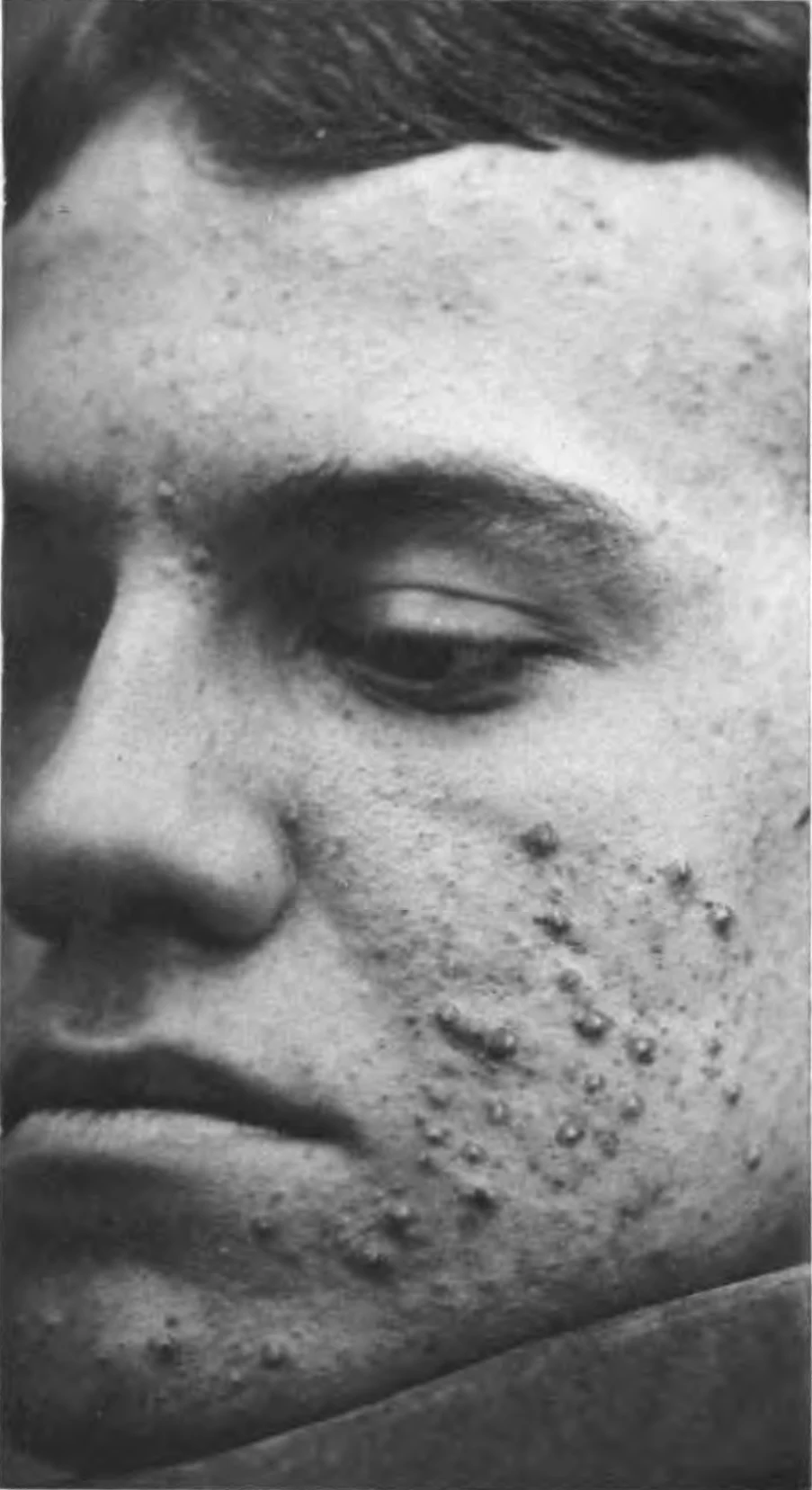
The clinical boundary is essential: only adults in Utah, mild to moderate acne and a limited list of creams and gels. Oral medicines and isotretinoin are not included. Severe acne, pregnancy and other excluded conditions must stop the automated pathway and send the case to a professional. The public FAQ reiterates that no pilot starts without human oversight.
Success will also depend on correctly declining cases. A system that completes many requests may appear efficient; if it lets an ineligible person through, that number becomes misleading. Its ability to recognize its own limits needs to be observed. The agreement includes checks on image quality and referring problematic cases to doctors.
Responsibility still has a human name as well. Utah’s office explains that prescriptions in authorized programs are transmitted under the identifier and license of a responsible physician. The trial does not grant the company immunity. Responsibility, insurance coverage and the patient’s ability to request human intervention remain.
Five dollars does not tell the whole cost
Zaid Fadul, the doctor overseeing Nolla, explained to KSL why they began with topical treatments: they offer a bounded field on which to build the test. Zach Boyd, director of the public AI office, identified waiting times, high prices and staff shortages among the problems the state wants to study. These are motivations stated by the people involved, not results already achieved.
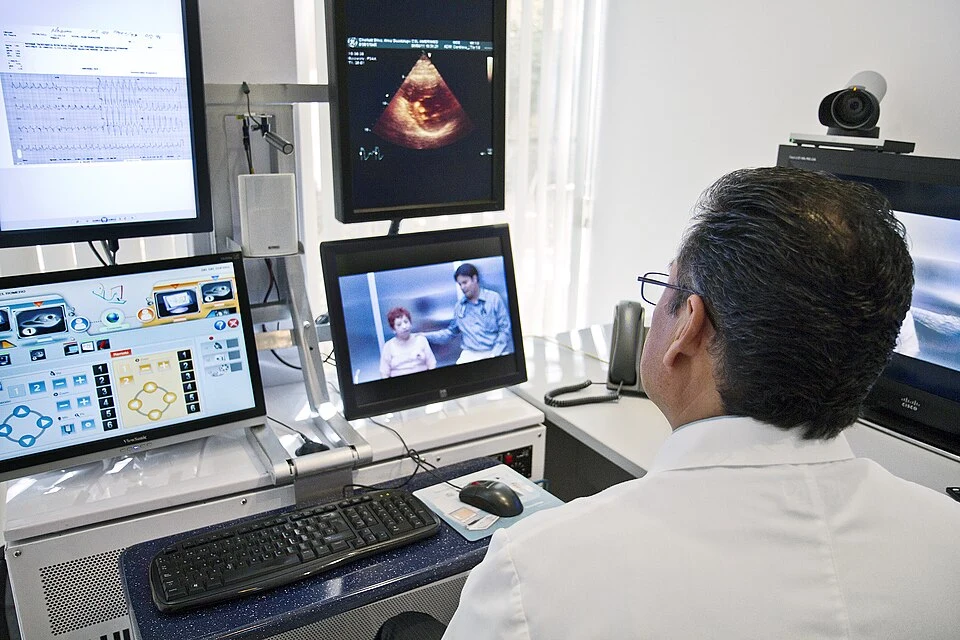
The commercial model is easy to understand: patients buy ongoing access to a service through a subscription. That entry price, however, is insufficient to establish the total cost of care. The documents consulted do not provide an independent measure of total savings compared with alternatives. It would be premature to turn a promotional fee into proof that the pathway is always cheaper.
The possible benefit is removing some steps that take time without adding value in every straightforward case. The risk is treating them as unnecessary before checking. For the company, sustaining the service also means paying for supervision, assistance, checks and handling problems. Automating the recommendation does not make those activities free.
The test to watch
Utah is not approving a universal digital doctor. It is granting limited regulatory relief to observe a specific product, for defined patients and treatments. The agreement explicitly states that participation does not amount to state approval or endorsement. It does not automatically authorize the same service in Italy and does not replace the powers of US federal authorities.
The decisive measure will be what happens to patients when oversight shifts to after the prescription. Outcomes, recognized errors, access times to a doctor and correctly excluded cases are needed, not just agreement percentages. Two assessments can agree without describing the entire care pathway.
For now, the change is concrete but small: part of the initial assessment can be purchased as a digital service, with a doctor initially checking every decision. The next step to watch is authorization to reduce that oversight. That is where the promise of convenience will have to stand up to the test of actual care.