 Italiano
 English
The right bin, the wrong ending
Amy Ma was working as a developer at a London bank when she realized that the office’s color-coded bins told a reassuring but incomplete story. Employees separated their waste; the bags were then emptied together. It was not a systematic industry inspection, but a concrete anomaly that pushed her to study what happens after the bin. Six years later, her Edinburgh-based Danu Robotics is bringing H.E.R.O. to market, a robot that recognizes and picks recyclable materials from sorting lines.
This is not a prototype photographed in a laboratory. According to a TechCrunch profile published on October 9, Danu reports $500,000 in signed contracts, letters of interest from two major customers and more than 200 prospects in its pipeline. It has also raised $5 million in a late-seed round. Contracts, letters and a pipeline are not the same as facilities operating well for years; they do show that the problem has moved beyond a demonstration alone.
Where plastic loses its value
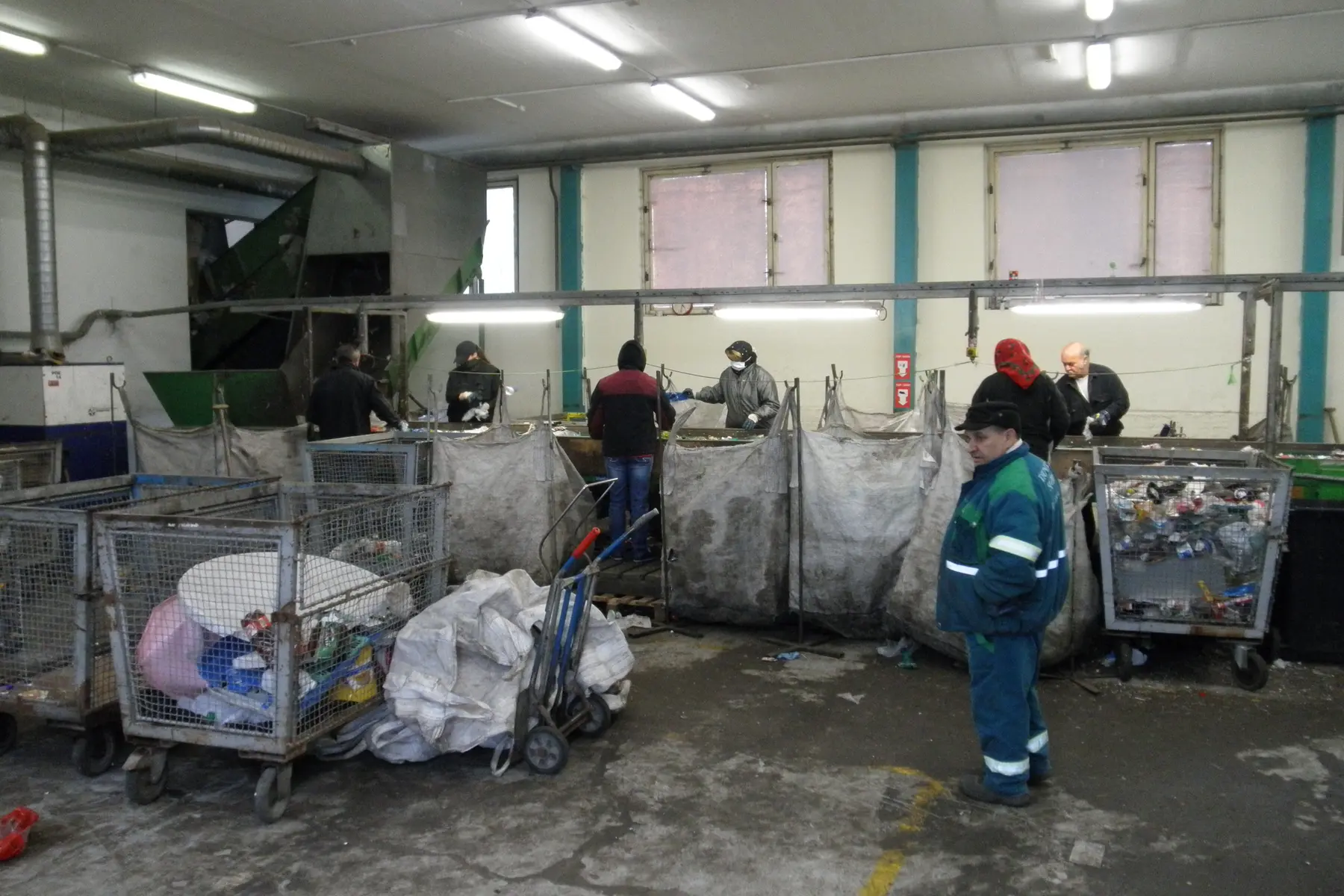
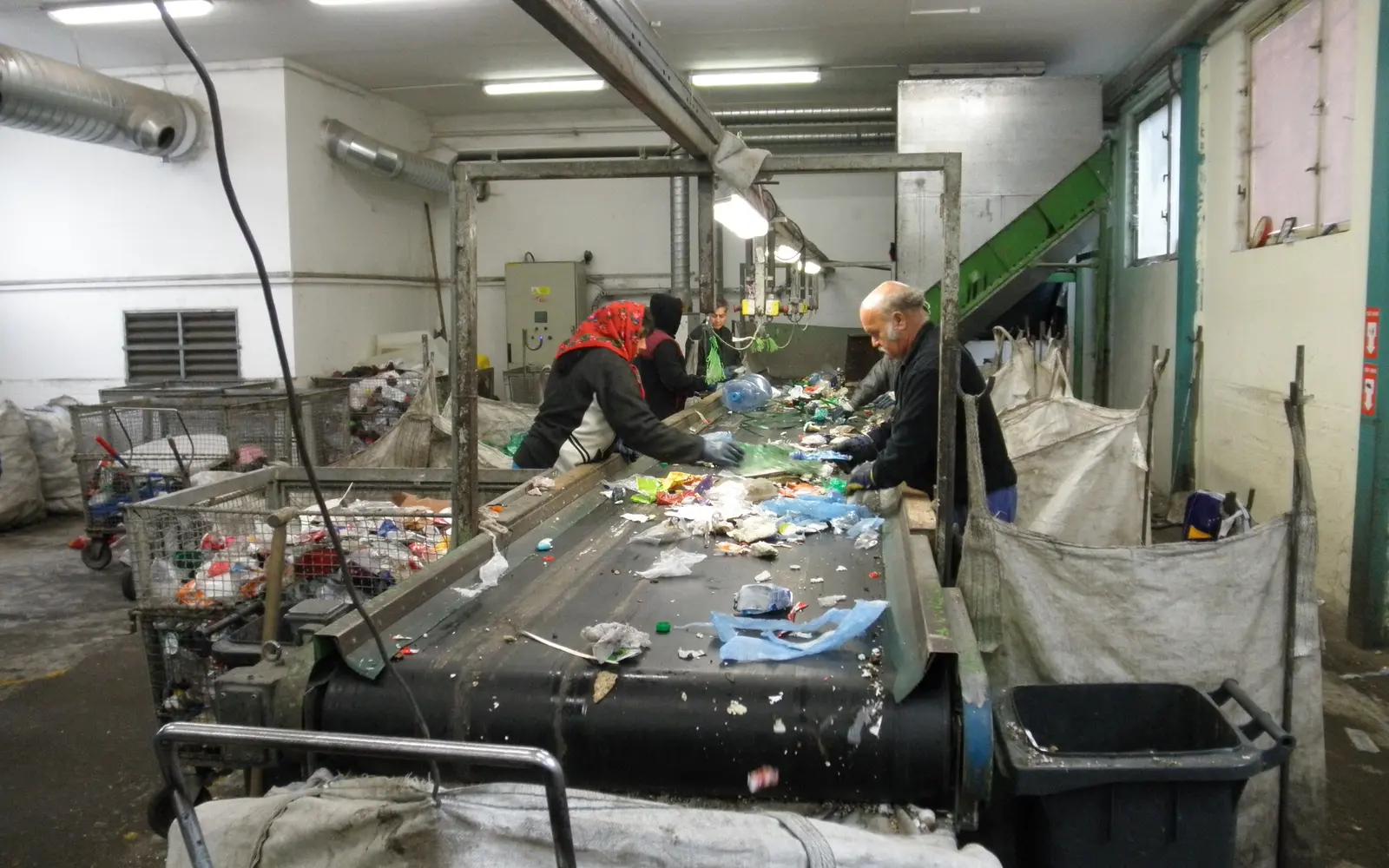
A bottle placed in the correct bin does not automatically become raw material. Recovery centers receive mixed streams, dirty objects, tangled bags and packaging with similar shapes but different materials. Their lines use belts, screens, magnets, air jets and people who correct what machines fail to separate. Economic value appears when a sufficiently clean fraction can be sold to a recycler; contamination and errors reduce that value and can send part of the stream to incineration or landfill.
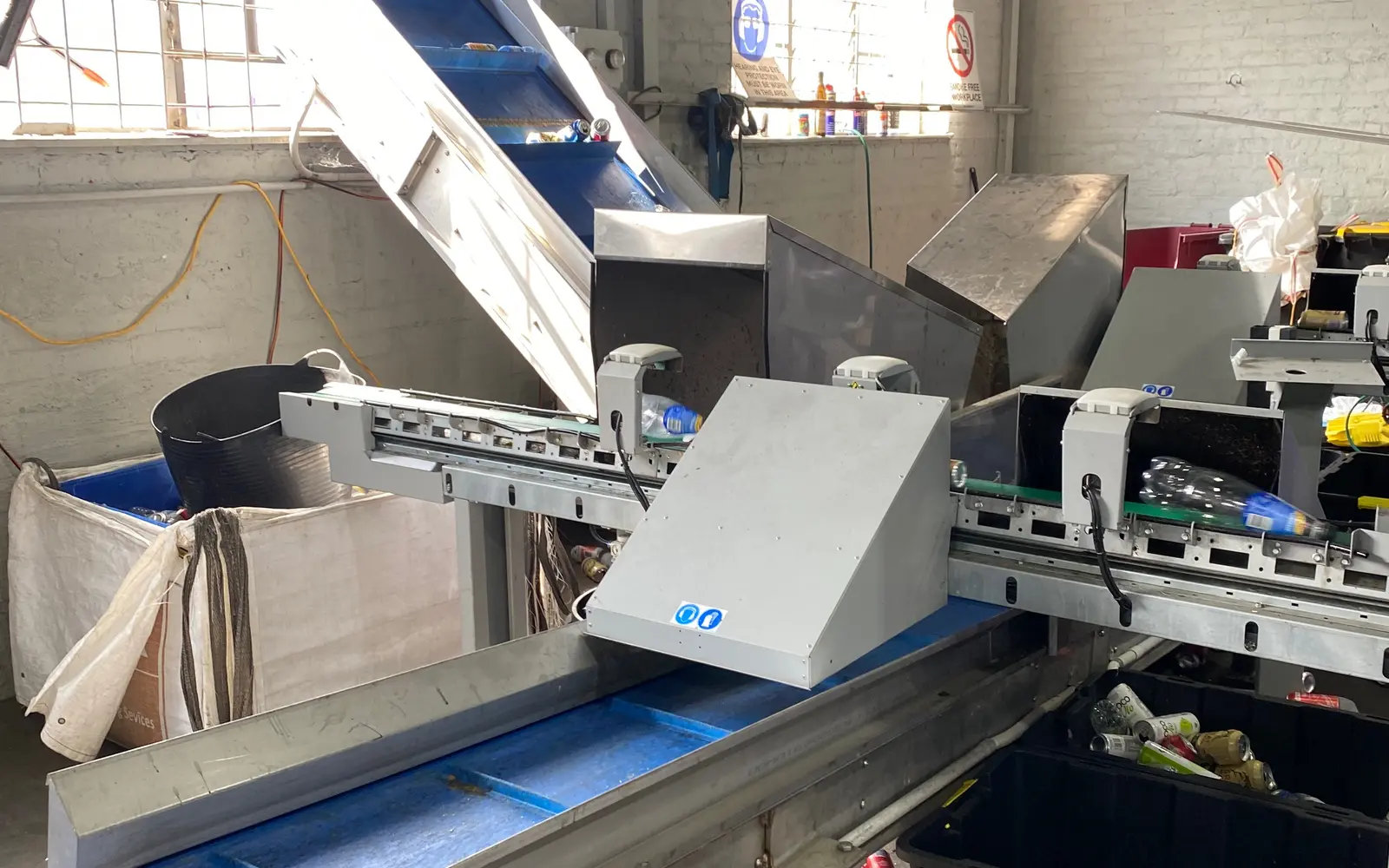
Danu aims to enter precisely the stage where eyes and hands identify and pick objects. H.E.R.O. combines computer vision, classification software and arms fitted with grippers. The company emphasizes the difference from suction systems: a gripper can hold objects that a suction cup struggles to retain. This is a design choice stated by the company, not an independently proven advantage over every competitor.
Measurement is part of the product. Danu says it counts successful picks that reach the target container, rather than only the arm’s attempts. The distinction may seem small, but it separates speed from yield: a robot can move many times and leave little saleable material. For an operator, purity, recovered tonnage, downtime and cost per useful object matter more than the most spectacular movement.
A robot that does not require rebuilding the factory
The second element is retrofit. Danu says the H.E.R.O. 2 series takes up less than one meter of conveyor and can be added to existing plants with limited disruption. It answers the risk that blocks many industrial innovations: it is not enough for a machine to work; it must fit into a line whose shifts, space, staff and contracts are already organized.
The commercial model also tries to separate what ages slowly from what changes quickly. Customers buy the hardware and pay a license for updatable software and AI systems. Wear components such as grippers are designed to be replaced. In theory, an operator avoids buying the entire machine again when recognition improves; in practice, it will need to verify arm life, service times, update quality and dependence on the supplier.
Ma estimates that a facility could gain $485,000 in additional revenue for an initial $160,000 and $24,000 a year in maintenance. These are the founder’s figures as reported by TechCrunch, not certified results across a customer network. They will vary with waste composition, commodity prices, wages, operating hours and required purity. The decisive test will be the economics measured on real lines, not the speed shown in a video.
What changes for manual sorters
Manual sorting exposes workers to a repetitive flow of dirty and unpredictable objects. A robot can remove some of the most monotonous picks and leave people with oversight, anomaly removal and maintenance. It can also reduce jobs in a role built around the conveyor itself. Open sources do not say how many workers will change roles, what training they will receive or whether headcount will fall: assigning an employment balance today would mean inventing it.
The choice is therefore not between perfect people and perfect robots. Humans recognize exceptions flexibly, but tire; machines repeat without a break, but depend on data, lighting, mechanical grip and cleanliness. Danu describes deployment alongside manual sorting, which is also useful for comparing performance. For operators, this phase should produce indicators workers can understand: errors, missed objects, contamination and reasons for stoppages.
Ma’s story also reveals a less celebrated kind of entrepreneurship: starting from a process defect, rather than from a technology in search of an application. The company has been registered in Scotland since 2020 and has received support from the local ecosystem over the years, including an earlier SMART:SCOTLAND program cited by Scottish Enterprise. Recent capital accelerates sales; it does not erase the six years required to reach the first deliveries.
The proof is in the final container
Danu enters a market where sorting robots already exist, including suction systems. It does not need to prove that AI can recognize a bottle under controlled conditions. It must do so among torn labels, deformed objects and irregular belts, for long enough to repay purchase, license and maintenance. It must also prove that the recovered material actually finds a buyer.
If the system becomes smaller, Ma envisages installations in airports, hospitals, shopping centers and events, close to where waste is generated. This is a company ambition, not a market already won. Bringing sorting to the source could reduce some steps, but would add machines to clean, monitor and power in many different places.
For readers, the change is less futuristic and more useful: separate collection does not end when the lid closes. It continues in a factory that must turn imperfect household actions into materials with quality and a price. H.E.R.O. promises to recover more objects without rebuilding that factory. In the coming months, the signal to watch will not be how many arms are announced, but how many clean tonnes actually reach the correct container and how much work is required to keep them there.