 Italiano
 English
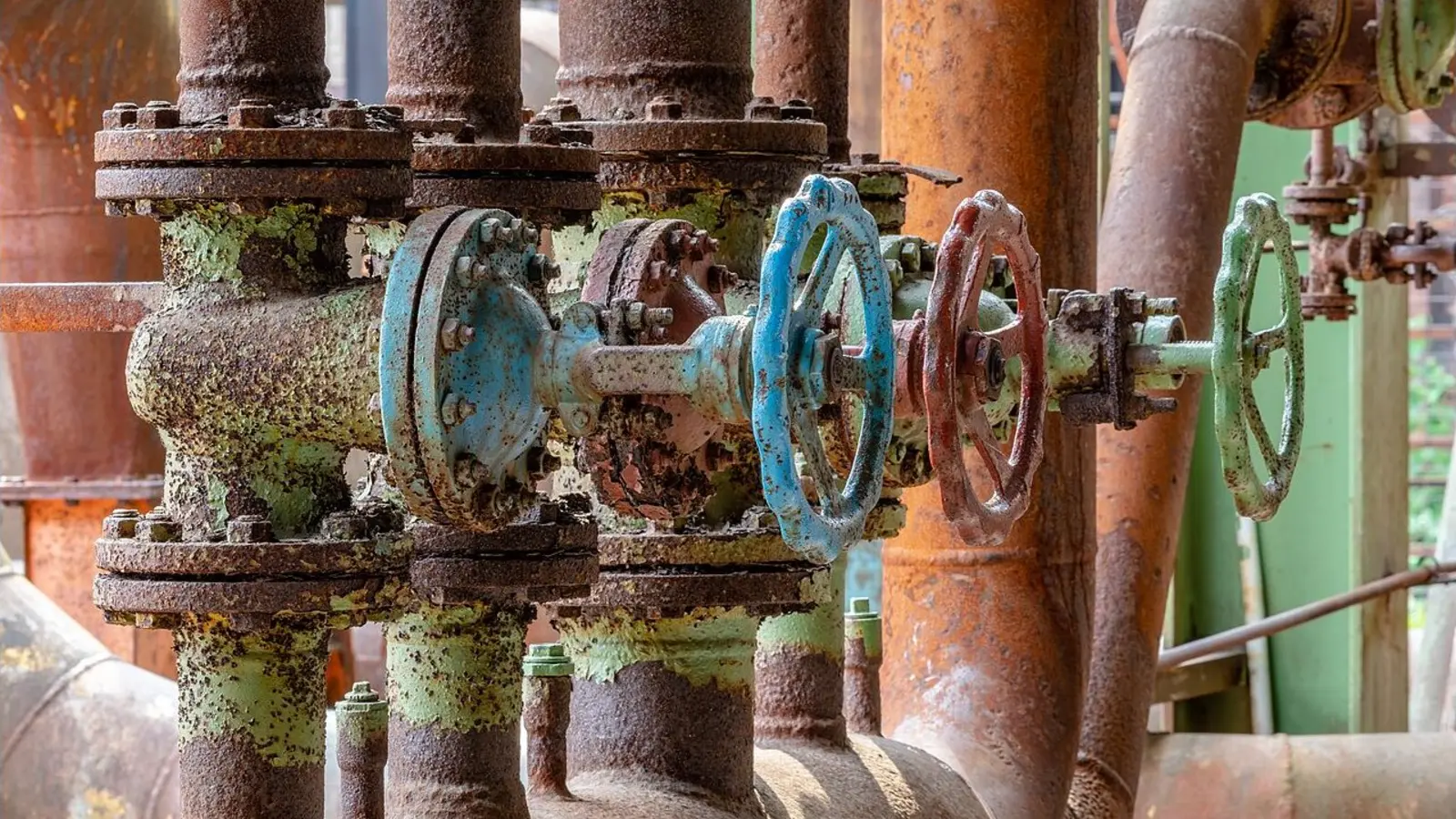
A factory’s invisible product
In many factories, the product that keeps every other product alive is never sold, photographed or shipped: steam. It heats reactors, dries materials, sterilises production lines, cooks food and controls chemical transformations. Its continuity is so important that replacing a gas boiler is nothing like changing a light bulb. A shutdown can compromise production, quality and safety. This is where an apparently elementary technology—electric heating elements and refractory bricks—is trying to become industrial infrastructure.
The thermal battery does not store electrons to return them to the grid. It buys electricity when it is available or cheaper, converts it into heat and warms a mass of bricks. When the plant needs energy, a stream of air passes through the hot material and transfers the heat to a steam generator or directly to the process. The commercial goal is not to power an engine or a smartphone: it is to deliver continuous heat from an intermittent electricity source. That distinction removes a costly step. If the customer needs heat, there is no need to convert thermal energy back into electricity.
This subject differs from the recovery of data-centre heat already covered by FRONTIERA. In that case, the aim is to find a use for a relatively low-temperature by-product; here, a high-temperature reserve is intentionally created to replace part of the fuel used in industrial processes. The customer is not a district-heating network, but a factory that must receive hot air or steam at pressures, temperatures and times compatible with its machinery.
A toaster the size of an industrial plant
Rondo Energy explains the system with a familiar image: heating elements similar to those in an oven or toaster convert electricity into heat; radiation brings the bricks up to 1,500 degrees Celsius; air passed through the hot mass can exceed one thousand degrees and power steam production. The company claims storage losses below 1% per day and efficiency above 98% from incoming electricity to outgoing heat or steam. These are manufacturer-stated figures, not independent measurements covering every possible installation.
Choosing bricks is less old-fashioned than it may appear. Refractories are familiar materials in heavy industry, withstand severe thermal cycles and require no lithium, cobalt or flammable electrolytes. The innovation lies mainly in the architecture: how to distribute heat without creating weak spots, how to control charging according to electricity prices and how to deliver stable steam while sun and wind fluctuate. Ancient hardware and modern control coexist in the same object.
This simplicity does not eliminate the engineering. A system operating at such high temperatures requires insulation, compatible materials, space, powerful electrical connections and integration with the boiler room. Even the phrase ‘low-cost renewable electricity’ contains a condition: the plant must be located where generation, the grid and contracts can provide enough affordable hours. A thermal battery does not create cheap energy; it can only shift its use over time.
The 100 MWh chemical-industry test
The shift from sales presentation to factory floor is visible in Brunsbüttel, northern Germany. On 19 January 2026, Covestro and Rondo announced the start of construction on a 100 MWh thermal battery at the local chemical plant. According to their joint statement, operation is expected to begin by the end of 2026. Using renewable electricity, the system is expected to produce about 10% of the steam required by the site and save up to 13,000 tonnes of CO₂ per year. The project is supported by Breakthrough Energy Catalyst and the European Investment Bank, subject to the financing conditions stated in the announcement.
Those figures are targets stated by the participants and will have to be compared with real operation. Even so, they make the project more interesting than an isolated prototype: the steam is destined for an operating chemical site where it is still produced with natural gas today. Covestro says it will use the Brunsbüttel experience to assess broader applications. In other words, the first customer is also the place where reliability, maintenance, the actual cost of heat and compatibility with continuous production will be measured.
Ten per cent may sound modest, but it reflects a cautious strategy. The new technology enters alongside existing infrastructure instead of claiming to replace it entirely on day one. If it works, its share can grow; if problems arise, the factory retains a conventional source. In an industry where an interruption costs more than the promised saving, redundancy is not necessarily a defeat: it may be the price of adoption.
From chemicals to beer
A second signal comes from a less extreme but very widespread process. On 17 July 2026, The Wall Street Journal reported that Heineken is developing a Rondo thermal battery for its Vialonga brewery near Lisbon. Steam is used in stages such as heating the mixture of malt and water and pasteurisation. The project is expected to be fully operational in the first half of 2028 and to use power from a nearby solar plant. According to company estimates reported by the newspaper, it could reduce the brewery’s emissions by 25–40%.
The case does not yet prove the outcome: for now, it documents an industrial decision and a forecast. But it broadens the potential market. If the same principle can serve both a chemical plant and a brewery, demand is not confined to a single niche. Paper, food, textiles, pharmaceuticals and many other processes use steam at temperatures that thermal storage can reach. Each sector will have different requirements, and adaptation will not be automatic, but the core machine could be repeatable.
Competition will not be limited to thermal-battery manufacturers. A factory can consider electric boilers, industrial heat pumps where lower temperatures are sufficient, biomass, biogas, hydrogen, heat recovery or keeping gas. The winning solution will depend on the consumption profile, the hours of affordable electricity, available space and the cost of stopping or modifying the plant.
The real product may be steam
The most interesting business detail is that Rondo does not offer only to sell the machine. Its website presents three options: purchase, lease or a heat-supply agreement. Under the last model, the customer avoids the initial capital expenditure and pays for the steam delivered, either at a fixed price per MWh or at an agreed discount to gas-produced heat. A piece of equipment becomes an energy service.
If the model worked—and this is a hypothesis to be tested project by project—it would transfer part of the risk from the plant manager to whoever finances and operates the battery. The customer would buy a measurable quantity of heat, not a technological promise. The supplier, meanwhile, would need to combine engineering, electricity contracts, price forecasting, maintenance and long-term capital. The competitive advantage might therefore lie less in the brick than in the ability to guarantee steam for years.
A supply chain could emerge around the machine: makers of refractories, heating elements, heat exchangers and control systems, alongside energy companies, technical insurers, financiers and industrial integrators. For European businesses accustomed to building furnaces, boilers and components, the opportunity does not necessarily lie in inventing a new battery chemistry. It may lie in adapting existing expertise to a system that buys variable electricity and sells reliable heat.
The questions that remain hot
Before declaring the end of the gas boiler, operating data are needed: how many hours the system remains available, how performance changes after thousands of cycles, what maintenance and replacements cost, what work integration requires and what average electricity price makes the steam competitive. Claims of multi-decade life and unlimited cycles come from the manufacturer. Value for the customer will emerge from contracts and verifiable plant results.
There is also a system-level constraint. If many industries electrify, demand on the grid and the need for robust connections will increase. The battery can charge during periods of abundant supply and help avoid peaks, but only if tariffs and controls encourage it to do so. A project well placed near renewable generation does not automatically represent every European factory.
The signal to watch in 2026 is therefore not a temperature record. It is commercial normalisation: a brick battery installed in an existing chemical plant, financed by parties willing to accept the risk and tied to a contract for an ordinary product such as steam. If Brunsbüttel meets its stated timetable, availability and savings, the hot brick will cease to be a climate curiosity. It will become a new way of selling energy to factories.